
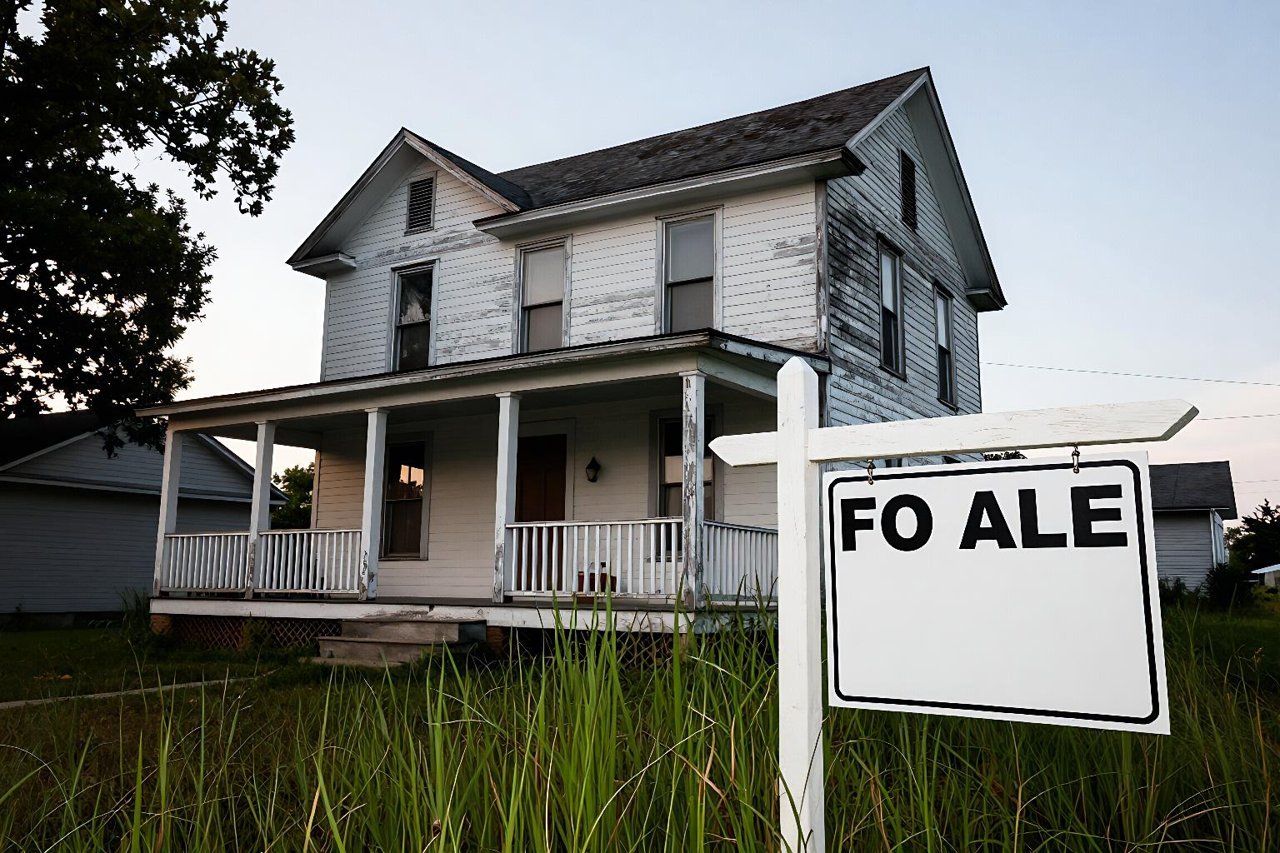
Yes, you can buy a foreclosure with a USDA loan. There’s no program rule against bank-owned homes, HUD repos, or rural short sales, and foreclosures close with USDA financing every month in small towns across the country.
The foreclosure isn’t the problem. The house is.
A foreclosed property has to clear the same appraisal standards as any other USDA purchase, and that appraisal is where most of these deals fall apart. Once you understand the two forces pulling against each other, you can plan around them instead of getting blindsided at week five.
Two Agendas Fighting Over One Contract
USDA guaranteed loans offer 100% financing to buyers with modest incomes, which makes them attractive on a distressed property. The seller, though, is usually a bank or loan servicer that has never set foot inside the house. They sell strictly as-is, won’t fix anything, and want a fast, clean closing.
USDA wants a home that is safe, structurally sound, and sanitary, with utilities running so the appraiser can test the systems. Those priorities collide on the same property. The bank won’t replace the furnace. USDA won’t lend on a house with a dead furnace. Somebody has to bridge that gap, and it’s almost always the buyer.
The Appraisal Decides Everything
USDA guaranteed loans follow minimum property requirements modeled closely on HUD’s standards. The appraiser isn’t grading the decor. They’re confirming the house is livable and won’t become a liability the government has to own in three years.
What the appraiser is actually checking
- A roof that keeps water out, with no missing shingles or active leaks
- Working electricity, plumbing, and heating, plus a safe, dependable water supply
- Adequate sewage disposal, including a functioning septic system
- No peeling paint or other lead-based paint hazards on pre-1978 homes
- A kitchen with a sink, a stove or the connections for one, and space for a refrigerator
- Safe access from a public or private road, and no obvious structural failure
Foreclosures fail on these points constantly. Copper plumbing stripped out for scrap. Appliances hauled away. Windows boarded over. A basement holding two feet of standing water. A roof that a $9,000 replacement would fix, except the asset manager refuses to spend a dime and the contract says the buyer accepts the property in its current condition.
Utilities, meters, and winterization
Most repossessed homes have the water shut off and the meter pulled, sometimes for a full winter. The appraiser cannot certify that a well pump works when there’s no power running to it, and they won’t sign off on plumbing they can’t pressurize. Many asset managers will sign a utility transfer or hold-harmless agreement that lets you put service in your name before closing. Ask for it on day one, not the week the appraisal is due.
Which Foreclosure Sales Work With USDA
Not every kind of distressed sale fits the program.
- Bank-owned (REO). The best fit by a wide margin. Clean title, a professional seller, and addenda that usually leave room for an appraisal contingency.
- HUD homes. Owner-occupants get a priority bidding window, and USDA financing works. Expect the property sold as-is with utilities off, so budget for turning service back on.
- Short sales. Doable, but plan on 60 to 120 days for the seller’s lender to approve. Don’t order the appraisal until that approval is signed, or you’ll pay for it twice.
- Trustee auctions and courthouse steps. Cash only, no financing contingency, no inspection period. A USDA loan can’t get you to the podium.
- Online REO auctions. Occasionally workable, but the timelines are tight and the buyer’s premium eats into the little cash you were saving.
The Rural Area Rule Doesn’t Disappear
The address still has to sit in a USDA-eligible area, which generally means a community under 35,000 people, with plenty of boundary carve-outs and grandfathered pockets. Look the property up on USDA’s eligibility map before you fall in love with the floor plan. The full set of USDA loan requirements covers the property side as well as the borrower side.
Here’s the upside: a lot of foreclosure inventory sits in small towns and outlying counties where populations have been flat or shrinking. That’s exactly where rural eligibility is easiest to come by.
Income, Credit, and the Fees You’ll Pay
Guaranteed loans cap household income at 115% of the area median income. Financing runs to 100% of the appraised value, with a 1% upfront guarantee fee that can be rolled into the loan and an annual fee of 0.35%. Sellers can contribute up to 6% toward your closing costs, and on an REO it’s worth asking, because the bank would rather credit you $3,000 than repair a $3,000 problem.
On credit, most lenders want a 640 middle score for an automated approval. Below that, the file moves to manual underwriting, where reserves and clean rent history carry more weight. Our breakdown of the real USDA credit score minimum and lender overlays explains where that line actually falls at different banks. And the guaranteed loan requirements that trip up otherwise good buyers are worth reading before you write an offer, since a surprise there costs you the house.
One rule that closes doors early: you have to occupy the home as your primary residence within 60 days and stay there. Buying rural foreclosures as rentals with USDA money isn’t a thing.
Timing Is Where REO Deals Get Killed
A USDA guaranteed loan typically closes in 30 to 45 days. Direct loans through USDA Rural Development, which carry much lower income limits and longer processing, can stretch to 90 days or more. REO addenda often demand a 21- or 30-day close and charge a per-diem penalty for every day past it.
Get your loan officer’s realistic USDA timeline in writing and negotiate 45 days into the contract. If you’re using a USDA direct loan, assume the bank will say no to the timeline and plan accordingly, or shop guaranteed instead.
Practical Moves That Save These Deals
Walk the property with a contractor before you bid, not a home inspector after. You need a repair number, not a report. Then decide whether the discount is real: a $160,000 REO that needs $18,000 in systems isn’t a bargain against a $175,000 house that needs paint.
Negotiate repairs as a closing cost credit at contract, while the bank still wants your offer. Once the appraisal comes back with conditions, you have no leverage and the house goes back on the market.
If the repairs are structural or the bank won’t budge, USDA won’t finance a fixer-upper. An FHA 203(k) rehabilitation loan bundles the repair money into the mortgage, which is the tool designed for exactly this situation.
What a Realistic USDA Foreclosure Looks Like
Picture a three-bedroom, 1,400-square-foot bank-owned house in a town of 6,400, listed at $148,000 after sitting empty for eleven months. The well pump is dead, the water heater is gone, and the grass is knee-high. The buyer earns $52,000, qualifies at 100% financing, and finances the $1,480 upfront guarantee fee into the loan.
Before the appraisal, the buyer pays $340 to have the power and water transferred and $1,900 to replace the well pump. The bank credits $4,000 toward closing costs. Total cash out of pocket at closing lands near $2,600, and the buyer owns a home with no down payment in a county where rents for the same house run $1,250 a month.
That deal works. It works because the buyer identified the failing system before the appraiser did, paid for it themselves, and kept the price discount intact. The deals that don’t work are the ones where the buyer finds out about the well pump on page four of the appraisal report and the bank’s answer is a polite no.