
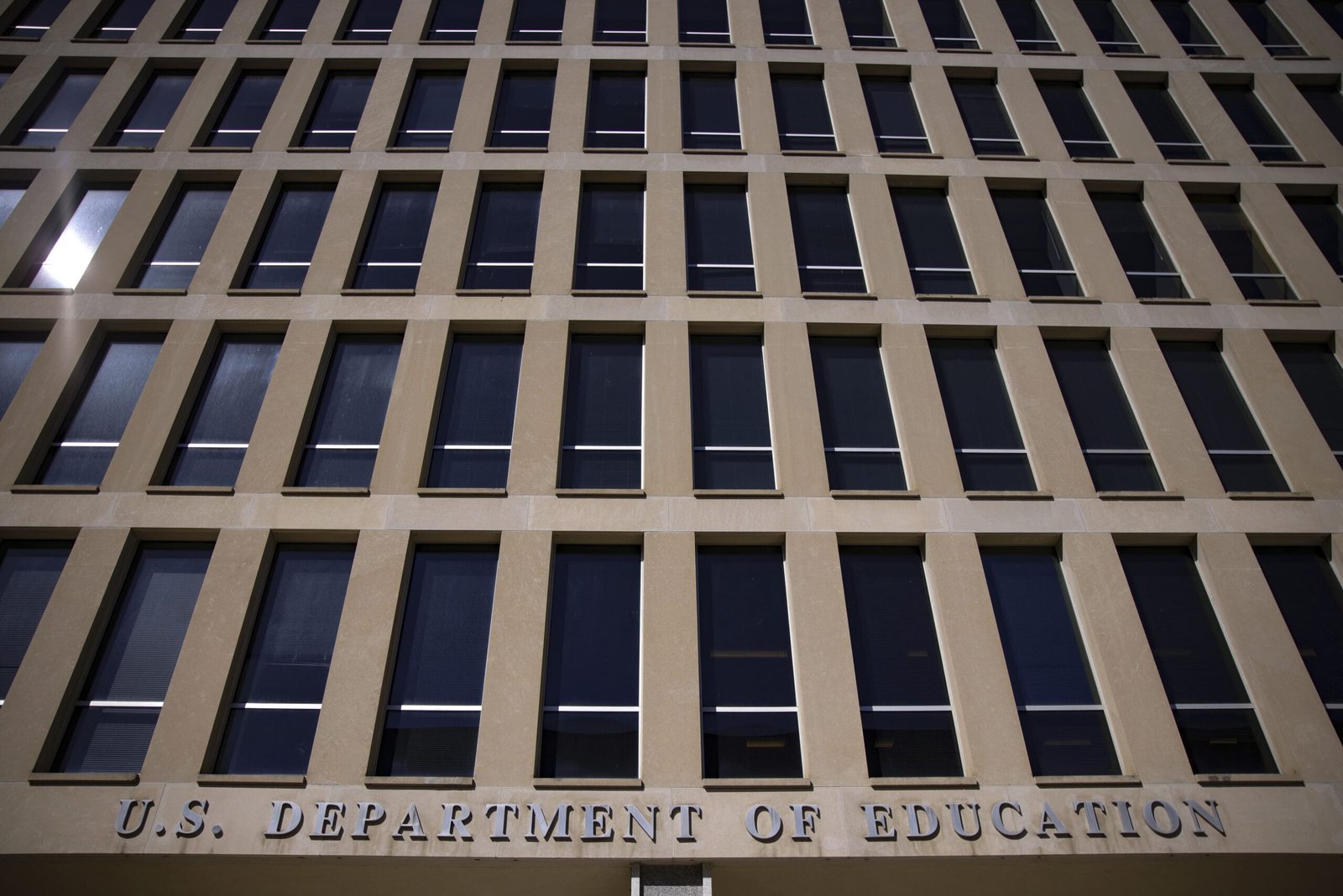
After nearly two years of litigation, on March 10, a district court judge ordered an end to a Biden-era loan repayment plan that based repayment rates on borrowers’ income.
The Saving on a Valuable Education plan, known as the SAVE plan, had 7.5 million students enrolled nationwide, around 135,000 of them in Wisconsin. Those borrowers now must find a new repayment plan.
In a press release issued on March 27 that repeatedly called the SAVE plan illegal, Under Secretary of Education Nicholas Kent said, “For years, borrowers have been caught in a confusing cycle of uncertainty, but the Trump Administration’s policy is simple: if you take out a loan, you must pay it back.”
Borrowers currently using the SAVE plan have until July 1 to select a new repayment plan or be automatically switched to a standard plan, which will likely result in higher payments.
“If we’ve got about 6 million people who live in Wisconsin, 730,000 of those residents have federal student loans. The vast majority of student borrowing happens through federal loans,” Carole Trone, the executive director of the Wisconsin Coalition on Student Debt, told the Wisconsin Independent. “We know that of those 730,000 borrowers, there’s about 135,000 who are currently enrolled in the SAVE plan.”
SAVE was implemented under President Joe Biden in August 2023. The plan reduced monthly repayments by undergraduate borrowers based on discretionary income, the difference between adjusted gross income and a specified percentage of U.S. Department of Health and Human Services poverty guidelines, depending on family size and state of residence. Additionally, the plan gave the option of paying $0 a month to those earning under 225% of the poverty line.
During Biden’s term, Republican attorneys general in Georgia, Missouri, Alabama, Arkansas, Florida, North Dakota, and Iowa filed suit against the U.S. Department of Education and Biden over SAVE.
The ruling on March 9 by the U.S. Court of Appeals for the 8th Circuit officially ends the litigation and the SAVE plan as well.
Trone said that almost all borrowers who call her office want to pay back their loans but are confused about what they owe. She explained that they have often been paying what they believe they owed, but not understanding that the debt was growing due to interest.
“Maybe they went back to school, or there was this pandemic payment pause, or their servicer changed, or they didn’t really know how to keep tabs on things, or they called the servicer and the servicer said, ‘OK, I’ll put you into forbearance,’ and they might not have fully understood that that still meant that interest was accruing,” Trone said.
A new federal student loan repayment plan, the Repayment Assistance Plan or RAP, will launch on July 1. According to Nerd Wallet, borrowers under RAP may see higher payments and a longer period before the loan is repaid.
“If you’re going to go into the RAP plan, which is essentially the only option you have if you wait until after July 1, for an income-driven repayment plan, if your income is at a very low level, then the RAP plan will not look very different than what you might currently have to pay,” Trone said.
However, Trone said, if a borrower makes between $80,000 and $100,000 a year, depending on family size and other variables, “You could be looking at paying three or even four times as much.”
Borrowers can apply for the new plan by logging in to Studentaid.gov and going to the Federal Student Loan Repayment Plans page. For faster processing, borrowers can allow their income information to be transferred directly from the Internal Revenue Service or simply submit their most recent pay stubs. Additionally, PBS News has created an in-depth explainer for the next steps for borrowers.
“I think there’s going to be kind of a reckoning of people reflecting on debt that they’ve taken on. I hope that there is a thoughtful response to it. And by that, I mean, you know, thinking about what’s the investment,” Trone said. “You can say from an economic perspective, we need nurses, we need doctors, we need teachers, we need social workers, right? And so what’s going to be the way that we make sure that we can meet those workforce needs, make sure that people can pursue the education and training that I’d say both is, at some level, a human right, but is also a societal need?”
Trone suggested borrowers in Wisconsin reach out to the Wisconsin Coalition on Student Debt with questions about loans at [email protected] or 833-589-0750. The office is staffed Monday-Friday from 8:30 a.m. to 4:30 p.m.