
(TNND) — Mortgage rates have been on a five-week increase since dropping below 6% for the first time in three and a half years in late February.
The weekly update from Freddie Mac showed 30-Year fixed-rate mortgages averaging 6.46%, up from 5.98% in the last week of February.
The 15-year fixed-rate mortgage has also increased over the last month.
The rising mortgage rates threaten to pour cold water on the spring homebuying season.
And their rise coincided with the start of the war in Iran.
Bankrate senior economic analyst Mark Hamrick said even a modest increase in mortgage rates can add $100 or more per month to a typical home loan.
The housing market won’t freeze if borrowing costs rise, as life-cycle changes like marriages and job relocation drive a baseline of homebuying activity, Hamrick said.
But higher rates certainly add to the affordability headwinds facing buyers, and they might help keep a cap on inventory as potential sellers stay on the sidelines to protect their existing lower mortgage rates.
Existing home sales were essentially flat last year, but the National Association of Realtors previously forecasted a 14% increase this year.
But the forecast NAR put out last fall also assumed a 6% mortgage rate.
“I think that forecasts for housing activity have taken a hit with developments of the past number of weeks, and the movement in mortgage rates is part of that,” Hamrick said.
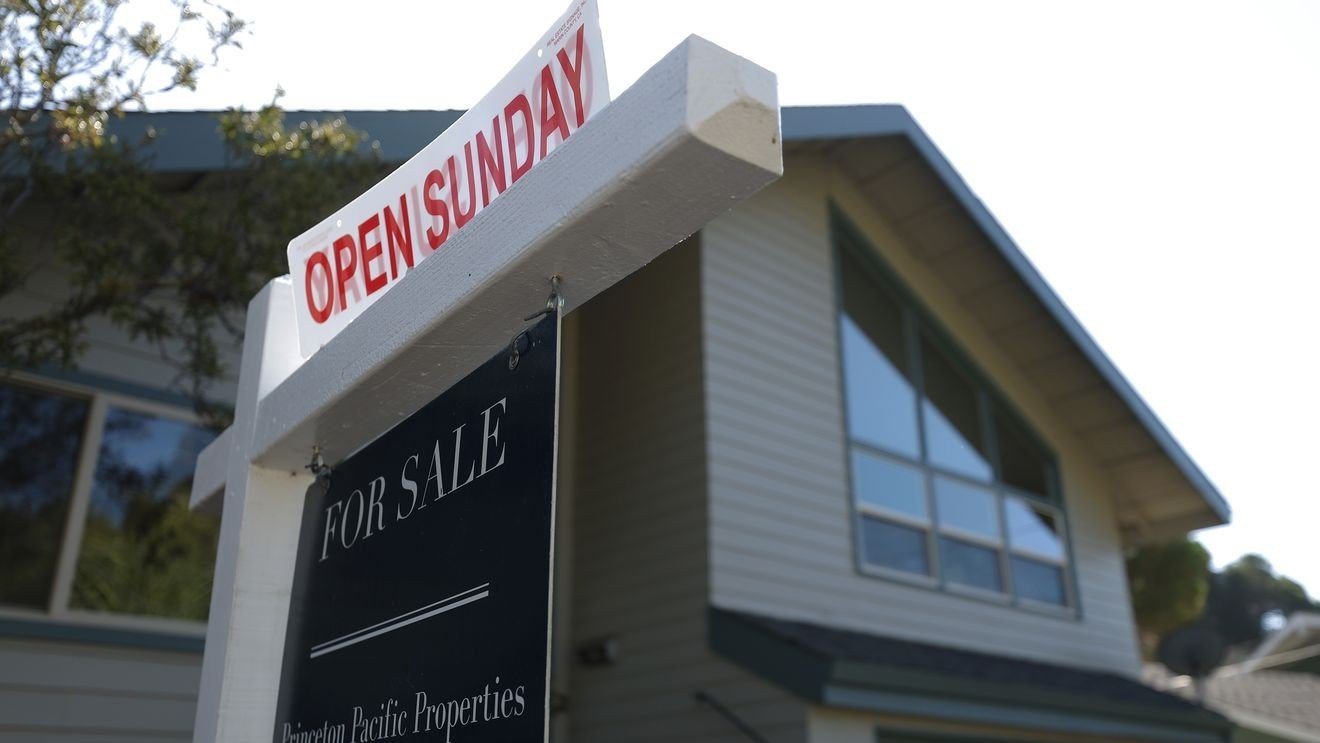
FILE – A “for sale” sign is posted outside a home in Nashville, Tenn., on Tuesday, Feb. 10, 2026. (AP Photo/George Walker IV)
The optimism for the housing market that accompanied the brief move below 6% for mortgage rates might be dissipating.
And Hamrick said there’s not much reason to expect mortgage rates to fall back down until the war is over.
But why is a war in the Middle East making homebuying more expensive in the U.S.?
The war has disrupted global supply chains, especially energy.
Investors are “betting on inflation,” Hamrick said.
And that’s juicing yields for the 10-year Treasury note, which are tightly correlated with mortgage rates.
“Mortgage-backed securities are used to finance mortgages, and so with bond yields going up, there’s competition in that space,” Hamrick said.
The yield on the 10-year Treasury has climbed nearly 40 basis points since the war began, as of midday Friday.
Meanwhile, the Federal Reserve hasn’t adjusted its benchmark interest rate since December. But Hamrick said the war and associated inflation pressures are putting a damper on hopes of additional Fed rate cuts.
Bankrate’s national survey of lenders also shows mortgage rates rising to the mid-6% range.
But Bankrate’s index of mortgage rate variability currently sits at an 8 out of 10, meaning homebuyers might find big differences in lender offers and could benefit from shopping around for the best rate.
“The averages are just that,” Hamrick said. “And well-qualified borrowers, people who qualify for certain programs, certainly people who shop around for the best rates, can and do get substantially below the average.”