
Finding the right house is like falling in love. You notice the light, the floor plan, the way the backyard opens onto open space. Then the inspection report comes back and that dream home starts to feel like a costly mistake.
It’s easy to miss red flags during a quick showing. Sellers stage homes, dim the lights, and mask smells. But the smartest buyers look past the staging. Before you book your next tour, review these 21 red flags to watch for when buying a house. Some are cosmetic. Others can drain your savings and break your heart.
A few are easy to spot:
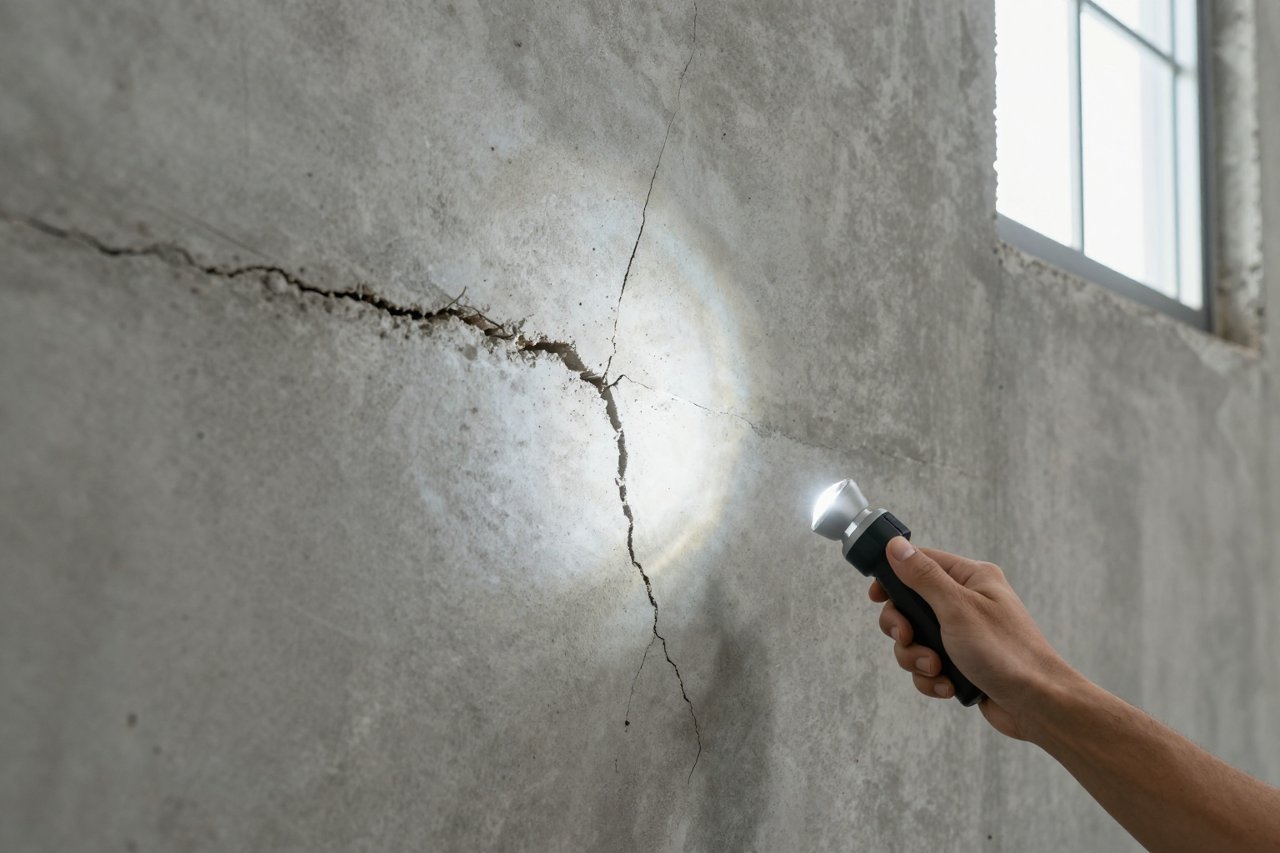
- Diagonal cracks running through foundation blocks
- Water rings on bedroom ceilings
- The unmistakable smell of must
- Gray plastic plumbing pipes under the sink
But the rest take a sharper eye. And a thorough inspection checklist will save you from the mistakes that 25 home buying mistakes warn about. Here’s what to keep pushing on at every viewing.
Foundation and Structural Red Flags
The foundation and frame hold everything together. If any of these show up, call a structural engineer early.
1. Stair-step cracks in brick or block foundation
A thin hairline crack might be harmless. Stair-step cracks along the mortar joints are a different story. They usually mean the house is settling unevenly or groundwater is pushing against the wall. Epoxy injections can cost $2,000, but foundation piers can easily run $15,000 or more.
2. Doors and windows that stick
When a door suddenly binds on the floor or a window won’t latch, the house could be shifting. If there are several jammed doors, get a professional opinion before making an offer. A single sticky door can be fixed in an hour. A whole level of them means trouble.
3. Sloping or bouncy floors
Roll a marble across the bedroom floor. If it glides toward one corner, you may have settlement. Bounce in the middle of a room; if the floor flexes, there could be a cut joist or a missing load-bearing wall. Floor leveling can cost anywhere from $2,500 to $10,000 depending on the fix.
4. Water stains on ceilings and walls
Brown rings and yellow patches never lie. They tell you where water has been, not where it is now. A previous leak may be fixed, but you need proof. Look for fresh paint over ceiling stains, a common trick sellers use to hide ongoing issues.
5. Bowing or bulging basement walls
Stand back from the basement wall and look along it like you’re checking if a picture is straight. If the wall curves inward, the soil outside is winning the fight. Foundation wall anchors can cost $10,000 or more. Some structural repairs are not covered by standard home insurance, so don’t assume the bank’s appraisal will catch it.
6. An aging roof
You can’t tell a roof’s age from the driveway. Ask for the last roofing invoice and find out how many layers of shingles are on top. If it’s asphalt and older than 20 years, plan for a $8,000 to $15,000 replacement. Even a 12-year-old roof with missing granules should make you lower your offer.
7. A leaning chimney
Step back and look at the chimney across the roofline. If there’s a gap between brick and the house, or if mortar is crumbling, this is a red flag. Repairing a chimney in Northern Virginia cost a friend $12,000 last year. Don’t let the brickwork fool you.
Electrical, Plumbing, and HVAC Red Flags
Behind the walls is where comfortable budgets go to die. Check below and inside every cabinet.
8. An old electrical panel
Federal Pacific panels, Zinsco panels, and fuse boxes should all make you pause. These older systems have higher failure rates and may not handle modern appliance loads. Replacing a panel usually costs $2,000 to $5,000. If you see knob-and-tube wiring, expect insurance headaches and an intensive upgrade.
9. Polybutylene pipes
Look at the water lines under the kitchen sink. If they’re gray plastic, they might be polybutylene. This piping was used widely in the 1980s and has a notorious record for sudden leaks. Re-piping a home can cost $5,000 to $15,000.
10. An outdated HVAC unit
Find the manufacturer sticker on the furnace and AC. If the furnace is 18 years old and the AC is 14, they’re living on borrowed time. Budget $6,000 to $12,000 for a new system. A home warranty might cover a repair, but most will not replace an aging system.
11. A rusted water heater
Look for water at the base of the tank and rust stains. If the tank is more than ten years old and has never been drained, you’re looking at an early retirement. A new tank costs around $1,200 installed, and a tankless system can cost twice that.
12. Slow drains or gurgling toilets
Flush a few toilets and run every sink at the same time. If the water comes up slowly or drains start gurgling, you may have a main line blockage. A sewer scope is worth every penny. Tree roots can crack a pipe, and a full replacement costs between $3,500 and $8,000, sometimes more if the line is deep.
13. Missing insulation and ventilation
Open the attic hatch and check the insulation depth. If it’s not up to at least R-38 in most climates, your heating bills will be painful. Also look for bathroom vents that don’t reach the outside. Moisture trapped in an attic leads to mold and roof rot. You might need $3,000 in insulation upgrades before your first winter.
Outdoor and Moisture Red Flags
Water finds its way in. A quick lap around the property can reveal problems before they become yours.
14. A musty smell in the basement
If the basement smells like dirt and old leaves, you have moisture. If the house is heavily perfumed or has plugin air fresheners in every room, be extra suspicious. Ask the owner to remove them before you revisit. Mold remediation can run from $1,500 to $6,000, or far more if it has spread into walls.
15. Grading that slopes toward the foundation
Stand in the yard and check whether the ground is higher near the house than it is farther out. Water should flow away. If you see soil piled against the siding or large puddles by the foundation after rain, this is a serious red flag. Fixing grading can cost $2,000 to $8,000, plus time for the ground to settle.
16. Trees too close to the house
A big tree is nice in the summer, but a limb over the roof is a hazard. The bigger concern is roots. Roots can infiltrate sewer lines and lift portions of your driveway. A tree that’s within 15 feet of the home may cause structural issues. Removal costs vary, but a large tree can cost $1,500 or more.
17. A cracked pool
If the property includes a pool, inspect the surface and equipment. Cracks in the plaster, a crumbling deck, and a pump that vibrates or leaks are all red flags. Pool resurfacing and new equipment combined can cost $10,000 or more.
18. Clogged gutters and downspouts
This one sounds minor until you see the damage it does. Walk around the house and check for gutter seams, plant growth in the gutters, and downspouts that extend only a few inches from the foundation. Water spilling over the edge of the gutter can ruin your basement. A gutter replacement is $1,500 to $3,500, but the basement damage it prevents is priceless.
People, Paperwork, and Hidden Deal-Killers
Some red flags aren’t in the house. They’re in the way the seller behaves and what you can prove on paper. This is also the stage where financing problems can sink a good deal. How to find a VA home loan lender that won’t leave you stranded is worth reading if you’re planning to use your VA benefit, because a disorganized lender can push your closing past the seller’s deadlines.
19. Unpermitted work
That new addition or "finished" garage might not have a building permit. Unpermitted work can cause issues with your county and your insurance. Ask for the permits and the final inspection certificate. If the seller can’t provide them, call the permitting office to verify. Fixing non-compliant electrical work alone can cost thousands.
20. Vagueness on the seller’s disclosure
A seller who answers "no problems" to everything and then avoids follow-up phone calls should raise your pulse. Some states have strict disclosure laws, but that’s not always a safety net. If you think you’re not getting a straight answer, ask for documents, or walk away.
21. A flip that’s too polished
Flipped houses are not inherently bad. But they can be full of shortcuts. Look at the trim, the corners, how the tile meets the tub, and whether new windows actually open easily. If you see fresh paint covering old issues, you may be paying for paint and not a real fix. This is where many common home buying mistakes happen, especially for first-time buyers.
Turn the Red Flags Into Leverage
A red flag doesn’t always mean walk away. Treat it as a negotiation item. Get a written quote from a contractor for every expensive repair and use it to adjust your offer. A $6,000 roof replacement becomes a $6,000 credit at closing if you negotiate calmly.
Don’t accept verbal promises from the seller or the listing agent. If they say the crack is old, ask for the sealant invoice. If they say the septic tank was pumped, ask for the receipt. You don’t need to be rude, but you do need to be precise.
The best time to learn all this is before you sign an offer. If you’re already in the process and the doubts are piling up, step back and take a breath. Every house has imperfections. Your job is to decide which ones you’re willing to pay for and which ones are someone else’s problem.