
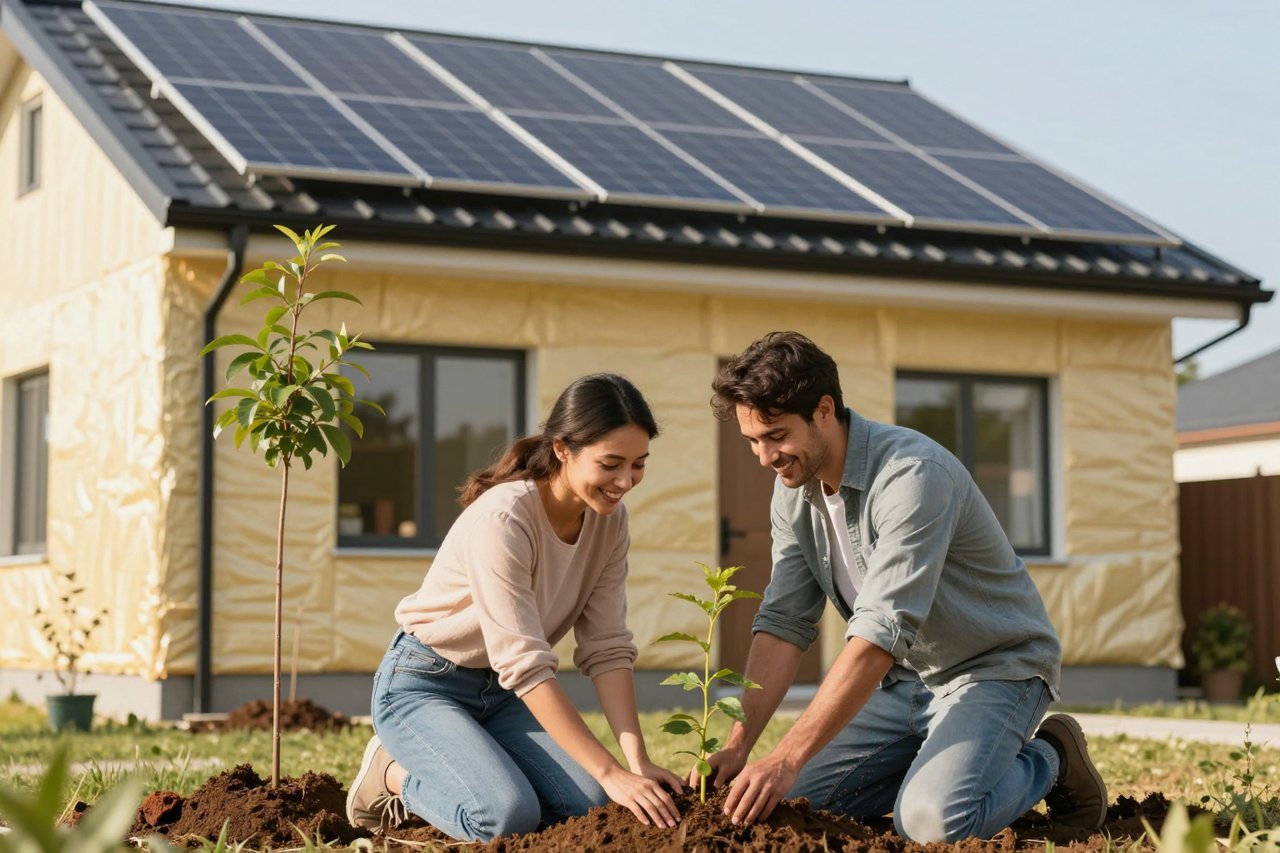
Buying a home is expensive. Making that home energy-efficient? That’s more money on top. But there’s a little-known financing tool that can help you cover those costs without draining your savings: the Energy-Efficient Mortgage, or EEM.
An EEM isn’t a loan for solar panels alone. It’s a mortgage that lets you borrow extra money, right upfront, to pay for energy-saving improvements. You fold the cost into your primary mortgage. The idea is simple: your monthly utility savings more than offset the slightly higher mortgage payment, leaving you ahead every single month.
Here’s what you need to know about how EEMs work, which types exist, and how to actually use one in 2025.
What Actually Is an Energy-Efficient Mortgage?
An Energy-Efficient Mortgage is a home loan that includes additional funds—typically 5% to 15% of the home’s appraised value—earmarked for energy efficiency upgrades. You don’t borrow for the house and then scrape together cash for new windows later. Instead, the extra cost is built into your loan from the start.
Using an EEM allows you to:
- Finance cost-effective energy improvements with no down payment on those upgrades
- Use a longer repayment term (like 15 or 30 years) to keep monthly costs manageable
- Roll costs like a home energy audit into the mortgage as well
Because the improvements reduce your utility bills, your net monthly housing cost often drops despite a slightly larger loan. That’s the core logic lenders and the federal housing agencies embrace.
A quick distinction from green renovation loans
A lot of people confuse an EEM with a regular renovation loan like an FHA 203(k). A 203(k) is for general repairs—roof replacement, kitchen updates, even structural work. An EEM, on the other hand, is specifically for green, energy-saving measures. It’s also often easier to qualify for because the upgrades are judged by their ability to cut energy use, not just cosmetic appeal.
Types of Energy-Efficient Mortgages
Several agencies back EEMs. The best one for you depends on the home you’re buying and the loan you qualify for.
FHA Energy-Efficient Mortgage
The Federal Housing Administration offers the most popular version. If you get an FHA loan, you can add up to 5% of the property’s appraised value (capped at a certain limit set annually) for energy upgrades. In 2025, that’s a meaningful sum—for a $300,000 home, you’d get up to $15,000.
FHA EEMs are attractive because they come with lower credit score requirements compared to conventional loans. If your down payment is as low as 3.5% anyway, an FHA EEM can be a seamless path.
But know this: you’ll need a home energy assessment from a qualified energy consultant first. The audit tells the lender exactly which upgrades are worth financing and what they’ll cost.
Conventional EEMs (Fannie Mae and Freddie Mac)
Fannie Mae’s HomeReady Energy and Freddie Mac’s Green CHOICE offerings are broader. They allow up to 15% of the property value for energy improvements, making them better for larger projects like installing a solar array or replacing HVAC systems.
These conventional EEMs don’t always require a full energy audit. Sometimes a cost-benefit analysis from a contractor is enough. The lending standards, however, are stricter than FHA—typically a credit score above 620 and a debt-to-income ratio at or below 45%.
VA Energy-Efficient Mortgage
Veterans and active-duty service members have an even better deal. The VA EEM lets qualified borrowers borrow up to $6,000 based on a simple energy assessment, no additional appraisal needed. For projects exceeding $6,000, a full energy audit is required, but the loan can stretch up to $20,000 or more, depending on the loan limits.
What Improvements Qualify as “Energy Efficient”?
Not every green-sounding upgrade gets the green light. You need to show that the improvement reduces energy consumption cost-effectively. Common EEM-eligible projects include:
- Attic, wall, and floor insulation — one of the highest returns on investment you can get
- High-efficiency heating and cooling systems (ENERGY STAR rated)
- Water heater replacement — tankless or heat pump models are clear winners
- Windows and exterior doors with proper U-factor and SHGC ratings
- Solar panels or solar water heating systems
- Air sealing and duct repairs that stop heated or cooled air from escaping
- Energy-efficient roofing material with reflective coatings
Lenders generally want at least one cost-effective measure. Sometimes it may be as simple as adding weather stripping and modest insulation. The analysis—usually provided in a Home Energy Rating System (HERS) report—will show the projected annual savings vs. the cost. If the savings exceed the cost over the loan’s reasonable life, the project is approved.
Real Financial Benefits You Can Expect
A typical EEM project for a 1,500-square-foot house might cost $10,000–$20,000 for insulation, air sealing, and an efficient heat pump. On a 30-year loan at 6.5% interest, that adds roughly $63 to $126 to your monthly mortgage payment.
Meanwhile, the Department of Energy estimates that air sealing and proper insulation alone can cut heating and cooling bills by up to 15%—often $100–$200 per month for an average existing home. After the upgrade, those savings dwarf the mortgage increase.
Beyond lower utility bills, you also gain:
- Better resale value. Homes with verified energy improvements sell noticeably faster and at higher prices.
- Increased comfort. Fewer drafts, quieter rooms, and more even temperatures carry a real quality-of-life benefit.
- Tax credits. While the EEM itself is not tax deductible, the underlying energy upgrades may qualify for federal tax credits like the Energy Efficient Home Improvement Credit, giving you up to 30% back on certain costs.
How to Get an Energy-Efficient Mortgage in 5 Steps
Applying for an EEM is a little more involved than a standard mortgage, but the process is very manageable if you take these steps in order.
1. Check your eligibility with a lender who offers EEMs
Start with an experienced mortgage broker or direct lender who has handled EEMs before. Most big banks do home loan programs, but don’t assume they understand how to structure the energy component. Ask specifically for a loan officer familiar with FHA or conventional EEMs.
2. Request a home energy assessment
Find an energy rater certified by RESNET or your state’s energy office. They’ll perform a HERS rating and produce a report that lists recommended upgrades, the cost of each, and the expected annual savings. This report is the cornerstone of your EEM application.
3. Choose the upgrades that make financial sense
The goal is to maximize savings while keeping the project cost under the lender’s maximum. Focus on measures with the shortest payback period. In most climates, insulation and air sealing come first; only after those are addressed do solar or high-end window replacements make sense.
4. Get contractor bids
Once your EEM application is underway, your lender will need written bids from licensed contractors. The bids must match the scope of work in the energy report. Keep in mind that contractor costs can vary by 20–30%, so get at least two quotes for each major item.
5. Close the loan and complete the work within the time window
After you close, the extra funds are held in escrow. You have a set period—usually three to six months—to finish the upgrades. Contractors get paid directly from the escrow account once the work is verified by a post-installation inspection. If you fail to complete the work, the funds may not be released, and your mortgage reverts to the original amount.
Weighing the Drawbacks
An EEM isn’t for everyone. Here’s the honest downside:
Upfront appraisal costs. You’ll pay for the energy audit yourself, often $300–$600. If your application falls through, that’s money down the drain.
Limited to cost-effective measures. You can’t use an EEM for a premium solar battery or luxury induction range if they won’t deliver enough energy savings per dollar.
Higher monthly mortgage payment. Even with utility savings, your loan payment will be higher. If the energy report overestimates savings—say, because you keep your thermostat at 75°F in summer no matter what—your net benefit shrinks.
Refinancing or moving early creates complexity. If you sell within five years, you may not recoup the cost of upgrades through resale value. The longer you stay, the sweeter the deal.
Questions to Ask Your Lender Before You Commit
EEMs vary widely in how lenders administer them. Before signing anything, ask:
- Do you currently originate FHA EEMs or Fannie Mae / Freddie Mac EEMs, and how many have you closed in the past year?
- Will you require a full HERS audit, or is a simpler energy cost analysis acceptable?
- How much of the appraised value can I finance? Is it capped at $15,000 or higher?
- What happens if the contractor finishes under budget? Can I use the remaining funds for additional upgrades?
- Are there any lender fees unique to EEM processing I should compare against a standard loan?
An EEM quietly helps homeowners afford improvements that many people put off for years. With energy prices still climbing in much of the country, rolling an insulation job into your mortgage at a 6% rate beats putting it on a 24% credit card by a mile. Do the math from the energy audit, watch the temperature swings in your house this winter, and decide if the long-term payoff fits your timeline.