
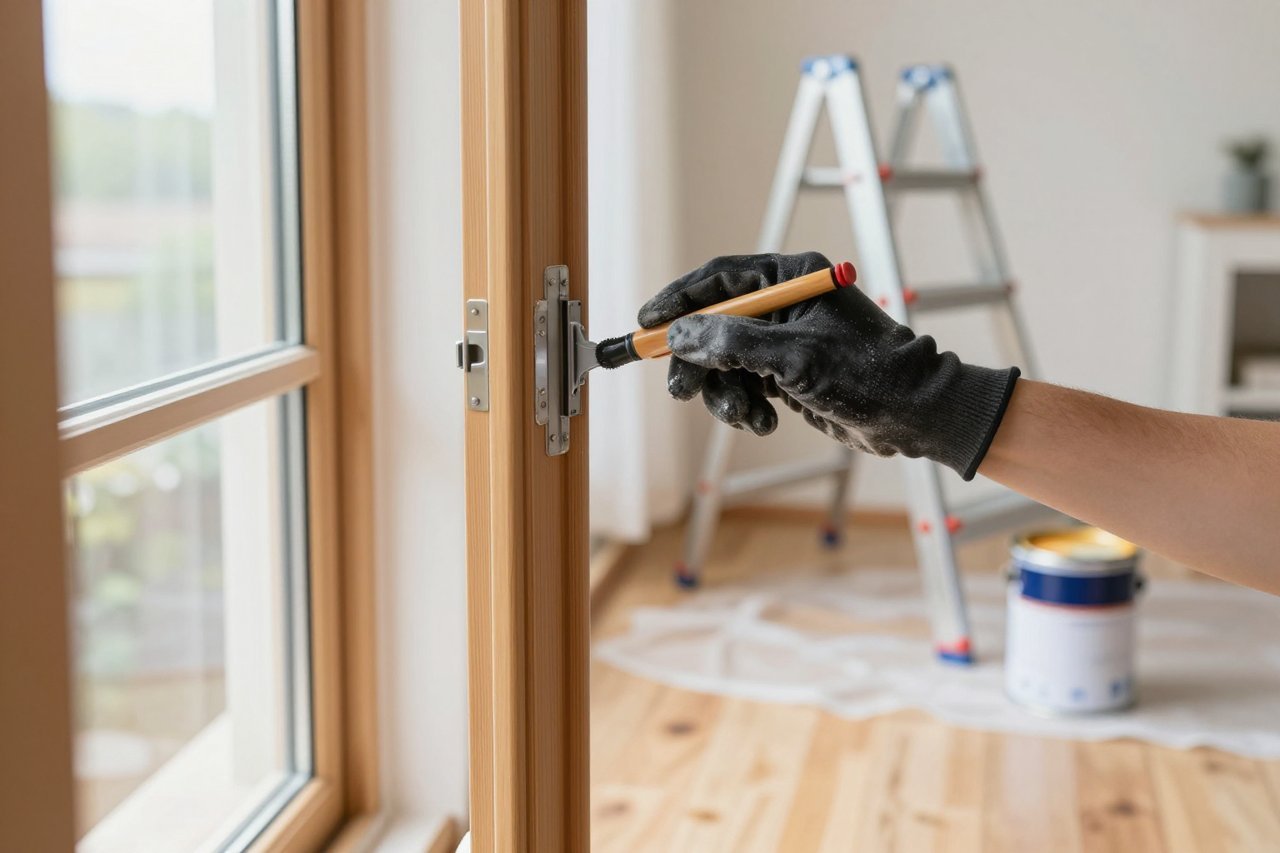
Most home shoppers are looking for a place they can move into without weeks of dust and work. The FHA 203(k) Rehabilitation Mortgage is deliberately different. It lets you buy a fixer-upper or refinance a tired home and roll the cost of approved repairs into one FHA-backed loan.
What Is the FHA 203(k) Rehabilitation Mortgage?
An FHA 203(k) is a government-insured renovation mortgage. Instead of taking out a standard FHA loan for the purchase price and then scrambling for a separate home equity loan or credit card for the repairs, you borrow a single amount that covers both. The loan is based on the property’s after-renovation value, so you can use the future value to justify today’s construction costs.
Existing homeowners can also use a 203(k) refinance to upgrade a property they already own. This can be useful if the home and its systems are dated but you don’t want to sell or take on a second mortgage.
Standard vs. Streamline: Which 203(k) Is Right for You?
There are two flavors of the 203(k), and the one you pick depends on the scale of the work and how much oversight you want.
Standard 203(k)
The Standard 203(k) is meant for renovations that are more extensive or cost more than $5,000. This is the option for structural repairs like replacing load-bearing walls, moving plumbing, adding a bedroom, or tackling a total kitchen gut. Because the stakes are higher, FHA requires a HUD-approved 203(k) consultant. This person inspects the property, prepares the detailed Scope of Work, reviews bids, and checks the progress during construction. The consultant fee is separate from the down payment and is usually paid at closing or out of pocket.
Streamline 203(k)
The Streamline 203(k) caps out at $35,000 and is limited to non-structural improvements. It’s a faster, less paper-heavy version of the program. You do not need a consultant, and many borrowers close in the same timeframe as a regular FHA loan. Typical Streamline projects include painting, new flooring, replacing countertops, upgrading bathroom fixtures, and installing new appliances. FHA still requires a minimum of $5,000 in eligible improvements, and the work must be completed within 120 days.
What Types of Work Qualify?
FHA keeps a long list of acceptable improvements, but they must be permanently attached to the property. You can replace a furnace, refinish hardwood floors, repair a roof, update a kitchen, or make a home more accessible for someone with a disability. The program also covers lead paint stabilization and other health hazards. It will not pay for free-standing appliances, outdoor fireplaces, non-essential decorative features, or luxury installations such as a hot tub.
Common approved projects include:
- Roof replacement and new gutters
- Foundation repairs and structural reinforcement
- Kitchen and bathroom remodels
- Flooring, drywall, and interior painting
- Repair or replacement of heating, cooling, or plumbing systems
- New windows and exterior doors
- Built-in appliances such as ranges and dishwashers
- Grading and landscaping to correct drainage problems
Costs, Down Payments, and Loan Limits
FHA lets you put as little as 3.5% down on a 203(k) if your credit score is 580 or above. Borrowers with scores between 500 and 579 generally need 10% down, though many lenders set stricter requirements and want at least a 620. Your total loan balance, including the rehab escrow, must stay within the FHA limit for your county. Those limits for 2025 range from $498,257 in most lower-cost areas to $1,149,825 in high-cost counties.
Like all FHA loans, you’ll pay an upfront mortgage insurance premium of 1.75% and an annual premium collected monthly. The amount is typically 0.55% to 0.85% of the outstanding balance and depends on your loan term and down payment. The upfront premium can be financed into the loan, which helps if you need cash for the renovation.
How the 203(k) Process Works
You won’t get the keys and then start sending checks to a contractor. The renovation money is held in an escrow account, and draws are released in stages as work is inspected and approved. This protects against someone getting paid for work that was never done.
1. Work with a 203(k) experienced lender
Not every FHA lender offers 203(k) loans, and the ones that do may specialize in either the Standard or Streamline version. Ask upfront how many 203(k) loans they have closed in the last year and whether they have a dedicated renovation department.
2. Get a contractor bid and Scope of Work
Before closing, a licensed contractor must provide a detailed, line-item bid. For a Standard 203(k), the HUD 203(k) consultant reviews the bid and defines the Scope of Work. For a Streamline, the lender will handle the paperwork, but the contractor still needs to be approved by the lender.
3. Close on the loan and begin construction
At closing, your down payment and closing costs are settled, and the rehab budget goes into escrow. The contractor then begins work. Draw requests are tied to inspections. For a purchase, you may move in before the work is finished, but FHA requires the renovation to be completed within 120 days for Streamline and often within six months for Standard. Extensions are possible, but they are not guaranteed.
Eligibility Requirements to Know Before You Apply
As with any FHA loan, you must live in the property as your primary residence. Investors and vacation home buyers do not qualify. You’ll need to meet FHA debt-to-income guidelines, which cap most borrowers at 56.9% of gross income, though lenders often hold individuals to 50% or less. A credit score of at least 500 is the FHA floor, but competitive lenders generally look for 620 or higher.
The biggest surprise for many buyers is the contractor rule. You cannot hire a neighbor who is handy with a nail gun unless they hold a valid general contractor license and carry adequate insurance. The lender will review the contract and the contractor’s credentials before clearing the first draw. If you intend to manage the work yourself, the Standard 203(k) is not the right path.
Smart Tips for a Smooth Renovation Loan
The 203(k) is more of a process than a typical mortgage. A little extra planning can save you from a stalled project or an unexpected bill.
- Build in a contingency. Lenders usually allow you to include 10% to 20% of the rehab budget for unforeseen conditions like hidden water damage or outdated wiring. If you don’t use it, it stays in escrow.
- Get three bids. Contractors price the same kitchen very differently. Make sure each bid includes the same materials and product models so you’re comparing realistic numbers.
- Ask about draw timing. Inspections can happen quickly after a work milestone is complete, but payment to the contractor may take five to ten business days. This can affect how long the job takes.
- Keep an eye on the calendar. The 120-day Streamline deadline is strict. If your contractor is slow, ask the lender about a written extension before the date passes.
- Don’t over-improve the neighborhood. You can roll renovation costs into a loan based on the after-improved value, but a complete luxury remodel may still exceed what the home will be worth in the local market.
Used carefully, the FHA 203(k) Rehabilitation Mortgage is a practical way to turn a dated house into a comfortable home while keeping your financing in one place. The application takes more planning than a standard purchase, but for the right buyer, the payoff is a home that already feels finished when you walk through the door.