
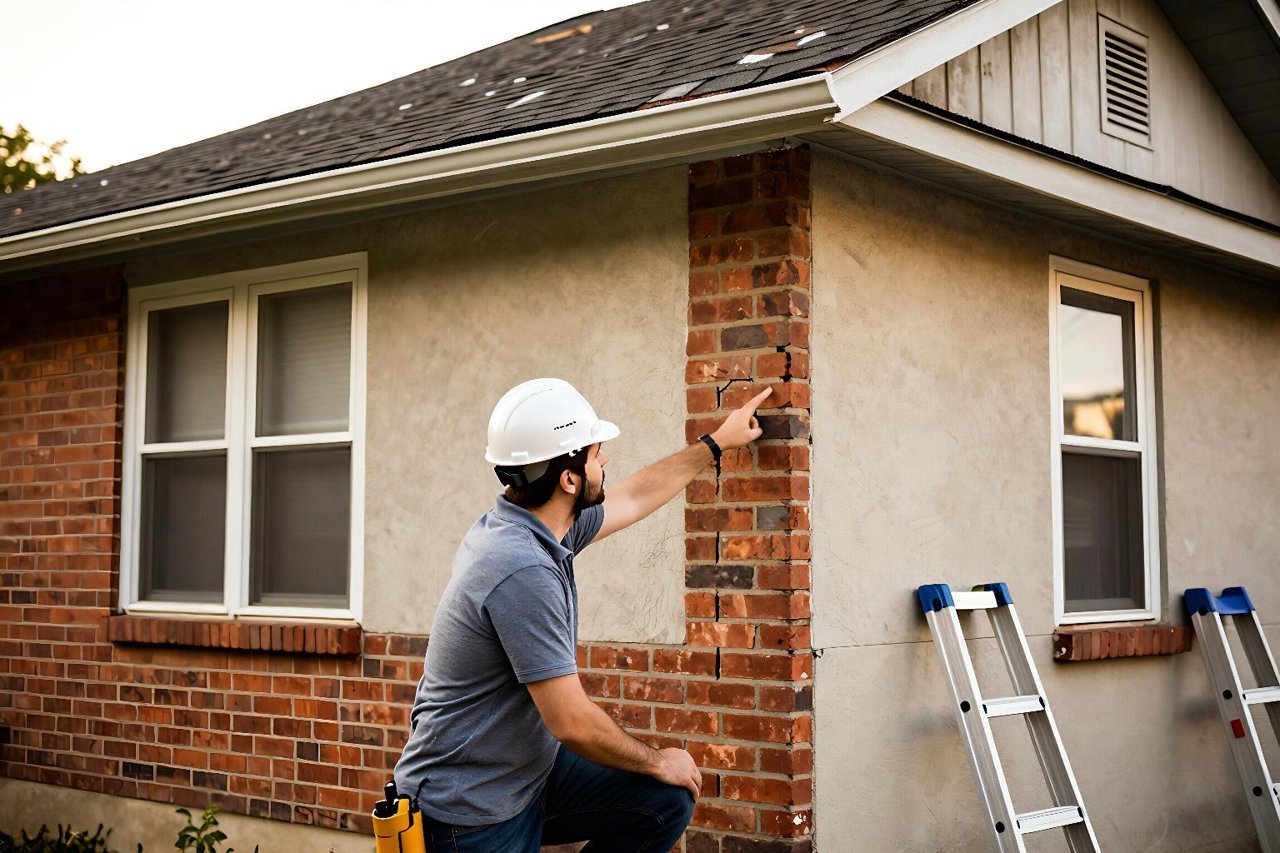
An FHA loan can survive a shaky credit history, a modest down payment, and a debt-to-income ratio that would make a conventional lender blink. The house itself is a different conversation. HUD sets minimum property requirements for any home it insures, and those FHA loan property requirements are less about style than about safety, soundness, and whether the property will hold its value long enough to protect the lender. A 1950s ranch with original windows can sail through. A newer build with active roof leaks and exposed wiring in the garage can stall. The appraisal is where those issues surface, and it is where deals go sideways if nobody checked the property before the offer. If you are a first-time buyer, the real numbers first-time buyers should know are worth reviewing before you shop, because the property rules sit alongside the money rules.
What HUD Means by Minimum Property Requirements
The phrase sounds more intimidating than it is. HUD does not require stainless appliances or a certain square footage. FHA appraisers use HUD Handbook 4000.1 to judge three broad things: safety, soundness, and security.
Safety, soundness, and security
- Safety: no conditions that could injure occupants, such as exposed wiring, missing handrails, peeling lead paint, or a furnace that leaks carbon monoxide.
- Soundness: the roof, foundation, framing, and mechanical systems are working and not at risk of failing soon.
- Security: the property is weather-tight and secure from intrusion. Think broken windows or a roof open to the elements, not a Ring doorbell.
The appraiser is not a home inspector. An FHA appraisal estimates value and confirms the home meets HUD’s minimum standards. It will not tell you the water heater is 14 years old or that the crawl space has a moisture problem the appraiser missed. Pair the appraisal with a professional inspection.
Residential Use, Legal Access, and Other Basic Eligibility Rules
Before condition even matters, the property has to be the right kind of property. FHA insures mortgages on:
- Single-family homes and townhomes
- HUD-approved condominium units
- 2- to 4-unit properties where the borrower occupies one unit
- Manufactured homes that meet HUD’s foundation and titling rules
The home must be used primarily for residential purposes. A house with a small home office is fine. A property with a commercial auto shop on the ground floor and an apartment above can get complicated, and the lender will want to confirm the commercial space stays within FHA limits. Legal access matters, too. The property needs access from a public street or a recorded easement. A landlocked parcel with a handshake agreement from a neighbor will not qualify. The property also has to fit within the FHA mortgage loan limit for the county, which is separate from condition.
Health and Safety Problems That Get Flagged Most Often
Most FHA repair calls fall into a handful of categories. The exact list depends on the appraiser and local codes, but these show up again and again:
- Peeling or chipping paint on pre-1978 homes. HUD treats defective paint as a potential lead hazard. Interior and exterior surfaces, including garage walls, window trim, and fences, may need to be scraped, primed, and repainted.
- Electrical hazards. Exposed wiring, missing cover plates, loose outlets, and double-tapped breakers can trigger a requirement for a licensed electrician.
- Roof leaks and active water intrusion. Stained ceilings, missing shingles, and flashing failures need repair before closing.
- Heating and ventilation problems. A furnace that does not work, a blocked flue, or an unvented space heater can fail the safety test.
- Trip and fall hazards. Missing handrails on stairs, broken steps, and uneven walkways may be called out if they are serious.
- Plumbing leaks and sewer issues. Active drips, running toilets, and evidence of a failed septic system need attention.
Some of these are cheap fixes. A $40 outlet cover will not kill a deal. Peeling paint on a 1920s four-square can run into thousands if the whole exterior needs repainting with lead-safe practices.
The Roof, Foundation, and Soundness Test
FHA does not demand a new roof on every home. It demands a roof that is sound and weatherproof. An appraiser who sees curling shingles, active leaks, or ponding water may mark the appraisal ‘subject to’ repair. The lender then requires a professional to fix it and a re-inspection before closing. The same logic applies to the foundation. Hairline cracks in a basement wall are common. Horizontal cracks, bowing walls, or doors that no longer latch can point to structural movement, and the appraiser may ask for a structural engineer’s report.
Crawl spaces need access and ventilation. Standing water under the house, rotten floor joists, or a sealed crawl space with no access can become an issue. Appraisers do not crawl every inch, but they look for obvious red flags. If the listing says ‘sold as-is’ and the home has active leaks, do not assume FHA will ignore them. ‘As-is’ means the seller will not make repairs, not that HUD will waive its requirements.
Water, Sewer, and Heating Systems Have to Function
FHA requires a continuing supply of potable water, sanitary sewer service, and adequate heating. In a city lot, that usually means confirming the utilities are on and working. If the water or power is shut off at appraisal, the appraiser may not be able to test the systems, and the lender could require a re-inspection after they are turned on. That can add a week or two to closing.
Rural properties get more scrutiny. A private well needs a water test, often for coliform bacteria, nitrates, and lead, depending on the lender and local health department. A septic system needs to be functioning and properly located. FHA does not require a septic inspection on every rural property, but many lenders do, and an appraiser who sees sewage surfacing or a failing drain field will flag it. Heating must be adequate for the climate. A wood stove as the only heat source can be a problem in cold states, and unvented gas heaters are a common safety fail.
Condos, Manufactured Homes, and Mixed-Use Properties
Property type can be a bigger hurdle than condition. Condos are the classic example. The unit itself might be immaculate, but the project can fail FHA’s review because of low owner-occupancy, too few reserve funds, pending litigation, or too much commercial space. Before you fall for a condo, ask the listing agent whether the project is FHA-approved. Some individual units can qualify through FHA’s single-unit approval process, but the project still has to meet HUD’s rules.
Manufactured homes have their own checklist. The home needs HUD certification labels, a permanent foundation that meets HUD standards, and title converted to real property. Leased land is usually a no. A manufactured home on a rented lot in a park can be financed with some lenders, but FHA’s rules make it difficult. Modular homes are treated like site-built homes if they meet local building codes.
Repairs, Re-Inspections, and Who Pays
When the appraisal comes back ‘subject to’ repairs, the clock starts. The seller, the buyer, or both can pay for the work, but the repairs must be completed and inspected before the loan funds. Small items are sometimes handled through a repair escrow, though many lenders prefer to see the work finished outright. A re-inspection typically costs $100 to $200, often paid by the buyer unless the contract says otherwise.
This is where negotiations get real. A seller who has already moved out may agree to a credit rather than manage contractors. A seller in a competitive market may push back on repainting the entire exterior. The buyer cannot waive FHA’s minimum property requirements, but the buyer can choose a different house. If the repair list is long and structural, an FHA 203(k) renovation loan may fit better than a standard FHA loan. Also budget for the 1.75% upfront mortgage insurance premium, which is separate from repair costs and gets added to the loan or paid at closing.
What Buyers Should Check Before Making an Offer
Some FHA problems are visible before an appraiser ever steps inside. Walk the property with a critical eye:
- Look at the paint on pre-1978 homes, especially windowsills, fascia, and garage walls. Flaking paint is a likely repair item.
- Check ceilings and attic access for water stains. Fresh paint over a stain is a warning sign, not a fix.
- Open the electrical panel. Rust, scorch marks, or a jumble of wires deserve an inspection.
- Test the heat and hot water. If utilities are off, ask the seller to turn them on before the appraisal.
- For condos, verify FHA approval before you write the offer. An unapproved condo can waste weeks.
- For rural homes, ask for well and septic records. A recent water test and septic pump-out receipt are good signs.
Your debt-to-income ratio still matters, even if the house passes with flying colors. The FHA debt-to-income ratio is often the quieter reason a borrower gets denied, and no amount of fresh paint fixes it. If you are comparing quotes, the FHA mortgage rate you are quoted is not always the rate you will pay after fees and mortgage insurance. Get the property inspected, get the appraisal ordered, and keep a cash reserve for repairs that show up after closing. That is the unglamorous math behind a smooth FHA purchase.