
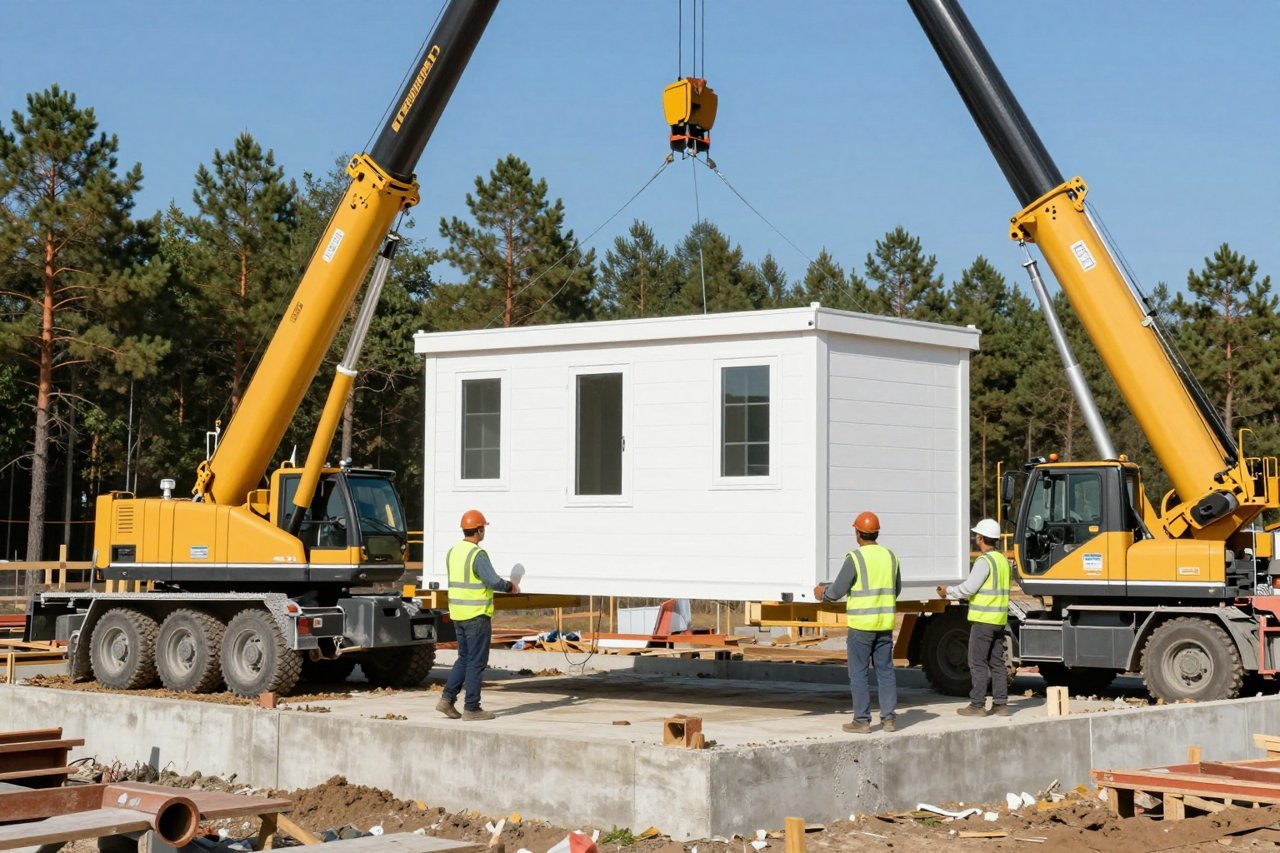
Modular homes are built in sections inside climate-controlled factories, transported hundreds of miles, and craned onto a permanent foundation. When buyers start searching for a “modular home mortgage,” they rarely find a separate rate card. That is the good news. A modular property can be financed with the same conventional, FHA, VA, and USDA mortgages used for site-built housing.
The bad news is that the loan can fall apart on technical details. If the house is not permanently attached to land you own, or if the appraiser has no modular comps to value, you may be pushed toward expensive chattel financing. A Vermont reader named Dan ran into that wall when lenders rejected his $390,000 modular project three times. His credit score was above 740. The missing pieces were a stamped foundation plan and a construction draw schedule. A credit union eventually approved a construction-to-permanent loan and he closed within six weeks.
What Is a Modular Home Mortgage in Practice?
No major bank keeps a separate product called a “modular home mortgage.” The term simply describes a normal residential mortgage applied to a house assembled from prefabricated sections. If you buy the modular home and the land together, and the county has issued a final certificate of occupancy, you get a purchase mortgage that looks exactly like one on a stick-built house.
The first question an underwriter asks is whether the parcel is real property or personal property. Modular homes are real property when they sit on a permanent foundation, are permanently connected to utilities, and meet the building code of their city or county. If the delivery sits on blocks and is not tied down, an appraiser cannot call it real estate. In states like Texas and North Carolina, title records sometimes still show a vehicle or unit designation, even after installation. Lenders ask for documents that release that title and place the home in the real property chain of title. It is not fatal, but it takes time.
Modular vs. Manufactured Homes: The Mortgage Math
Buyers often use modular and manufactured as if they are the same thing. Mortgage underwriters recognize a sharp line. A modular home is built to state or local code, the same code that governs a site-built property. A manufactured home, still sometimes called a mobile home, is built to US Department of Housing and Urban Development standards and retains a steel chassis. Manufactured homes can qualify for FHA and VA financing once they sit on permanent foundations, but appraisals and title work are more complex, and chattel loans on leased land carry higher rates.
Because a modular home skips most of that classification mess, lenders usually treat it like stick-built. A modular home mortgage rate should match a site-built mortgage rate for the same program and credit profile. If a lender quotes manufactured-home pricing, ask exactly which piece of real property documentation is missing.
Financing Options for a Factory-Built House
Factory-built housing is no longer a fringe option. Labor shortages and weather delays have pushed more conventional builders to consider modular sections. Lenders watch builder trends that impact loan officers because those projects change draw schedules, delivery timetables, and inventory risk. The more your lender understands those dynamics, the smoother your approval will be.
For most buyers, four common routes work:
- Conventional loans. Fannie Mae and Freddie Mac treat permanently attached modular homes as conforming property. A down payment of 3% is enough on some programs with a 620 minimum credit score.
- FHA or VA loans. The 3.5% down FHA option is useful for credit scores around 580. VA loans let eligible veterans finance land plus house with nothing down. USDA loans offer the same zero-down path in eligible rural areas.
- NACA, if your income qualifies. The nonprofit NACA program offers 100% financing with no mortgage insurance and no closing costs. Income limits change annually by metro area, so check the current NACA Program income requirements before you assume you are over the cap.
- A construction-to-permanent loan. This is actually the most frequent modular home mortgage format for new builds. It starts while the house is in plan and converts to a permanent loan once the final inspection passes.
Why a One-Time Close Loan Works So Well
If you own the land and are not buying a completed inventory home, you will probably need a construction loan before a permanent mortgage. A one-time close loan combines those steps. You can lock a 30-year fixed rate at the beginning, so interest-rate increases during the eight to twelve weeks of construction won’t change your payment.
The draw schedule for modular homes can be chunkier than for stick-built construction. A large balloon goes out when the factory delivers the house, because the house is finished in the factory rather than slowly framed on site. Know when that draw hits and make sure your lender sets aside funds for foundation, utility connections, crane time, and final finishing.
Why Modular Home Mortgage Applications Get Denied
Most denials do not come from bad credit. They come from mismatched assumptions. Keep these red flags off your file:
- No permanent foundation. The house must be placed on an approved foundation with an engineer seal where local law requires it. Concrete piers alone may not satisfy FHA or Fannie Mae guidelines.
- Land is leased or not owned. A standard mortgage requires the borrower to own the real estate. If you build on a relative’s land without a legal lot merger, the loan cannot close.
- No certificate of occupancy. Your county must inspect the completed installation and issue a CO before underwriting finalizes. A lender will not rely on a builder’s promise.
- Appraisal lacks comparable modular sales. If the appraiser can’t find recent sales of similarly sized modular homes, the file goes to a secondary review and may require a second appraisal. Speed that process by researching modular sales in your zip code before you accept a pre-approval.
Questions to Ask Your Mortgage Officer Before Closing
Not every loan officer has closed a modular build. Some will confidently say yes, then run into underwriting overlays. Use a short qualification list:
- Do you offer one-time close construction-to-permanent loans?
- Can your appraisal desk handle modular comps in this market?
- Which inspections do you require between foundation pour and final occupancy?
- Have you worked with my manufacturer before?
- Will you wire progress payments directly to the factory or do I have to float the deposit?
What you are financing is real estate, not a vehicle. The modular label disappears once the property is attached to the land and approved by local officials. Present that proof and you can avoid chattel rates entirely. If you are 62 or older and expect to use the equity later, review how to qualify for a reverse mortgage in 2026, because FHA treats factory-built homes with a more cautious eye. A few paperwork choices made before the foundation pour will keep your modular home mortgage clean for the life of the loan.