
Applying for a VA loan with Veterans United can go sideways fast if you don’t know what’s coming. The lender processes tens of thousands of loans every year, but that doesn’t mean the paperwork will hold your hand. To make it concrete, let’s follow a Navy veteran named Marcus. He has a 30% disability rating and bought a $250,000 home in San Antonio using Veterans United. His journey from Certificate of Eligibility to signing day shows you exactly what to expect. And if you’re still weighing your lender options, start with our full Veterans United home loans review to see if they fit your situation.
Step 1: Confirm Your Eligibility Before You Do Anything Else
Marcus didn’t need a lender to tell him he was eligible. He already had his Certificate of Eligibility (COE) from the VA, but he had to log in to the eBenefits portal to download it. You can request a COE on your own, or you can let Veterans United pull it for you as part of the application. It’s a simple step, but it matters because your COE determines your entitlement and whether you’re exempt from the VA funding fee. Marcus’s 30% disability rating meant he didn’t have to pay the fee, which saved him roughly $4,000. If you’re still getting familiar with the ins and outs, our VA Home Loan 101 guide explains the benefits and the fine print in plain language.
Step 2: Gather the Documents Your Loan Specialist Will Ask For
Veterans United will send you a secure link to upload documents, but waiting until they ask means losing time. Marcus created a folder ahead of time with everything he thought he’d need. That habit saved him about three days during processing, which in a competitive market is a big deal. Here’s the standard list he had ready:
- DD-214 or other proof of military service
- Two most recent leave and earnings statements (LES) or pay stubs
- Federal tax returns and W-2s for the past two years
- Two months of bank statements for every account you’ll use for down payment or closing costs
- Disability award letter or retirement pay statement if you receive either
Marcus also needed a gift letter because his father was helping with $5,000 in closing costs. If someone gives you money toward the home, lenders want proof that it’s a gift, not a loan. Having that letter ready skipping the back-and-forth later.
Step 3: Get Pre-Approved, Not Just Pre-Qualified
A pre-qualification is a quick guess based on what you tell the lender. A pre-approval is the lender actually pulling your credit, verifying your income, and issuing a firm letter. Veterans United ran Marcus’s credit and had his pre-approval letter ready the same afternoon. That letter came with a maximum loan amount and an estimated interest rate. In a multiple-offer situation, that piece of paper separates the serious buyers from the tire-kickers. Marcus’s agent told him the seller picked his offer partly because the pre-approval letter was from Veterans United, which the seller recognized as a VA lender that knows the process.
Step 4: Lock Your Interest Rate at the Right Time
Marcus didn’t lock his rate the day he was pre-approved. He watched the market for three days, then locked in when the rate dipped by a quarter point. Veterans United allows you to lock at many points in the process, but you need to balance the lock term with your expected closing date. A 30-day lock is cheaper, but if your closing slips, you’ll pay an extension fee. A 60-day lock costs a bit more but gives breathing room. Marcus chose 60 days because he was buying new construction. Before you decide, spend a few minutes with our guide to Veterans United mortgage rates to understand how rate quotes are built and what you can negotiate.
Step 5: House Hunt and Make an Offer with Veterans United Realty
Veterans United has its own realty service, and using it doesn’t cost you extra. The agent’s commission comes from the seller, not from you. Marcus was matched with an agent who had worked with VA buyers in San Antonio for years. That experience paid off when Marcus found a three-bedroom home that was overpriced by $8,000. The agent pulled sales comparisons and negotiated the price down $5,000, then asked the seller to cover $3,000 in closing costs. Not every agent is that aggressive, but you’re more likely to get it when the agent knows VA loans don’t allow sellers to pay unlimited concessions. Having someone who speaks the lending language on your side makes a real difference.
Step 6: Appraisal and Underwriting: Where Deals Get Delayed
This is the stage that keeps borrowers up at night. The VA appraisal isn’t just about value; the appraiser also makes sure the home meets the VA’s minimum property requirements. That means checking for peeling paint, broken windows, missing handrails, and other safety hazards. Marcus’s first appraisal flagged a cracked concrete step leading to the front door. The seller originally refused to fix it, but after some negotiation, he agreed. To understand all the ways this step can trip you up, including the repair process, we’ve built a complete walkthrough of the closing process that covers the entire timeline. The key is to stay patient and keep your financing contingency in place until you’re sure the repairs will be done.
Step 7: Closing Day: Sign Documents, Pay What’s Owed, Get the Keys
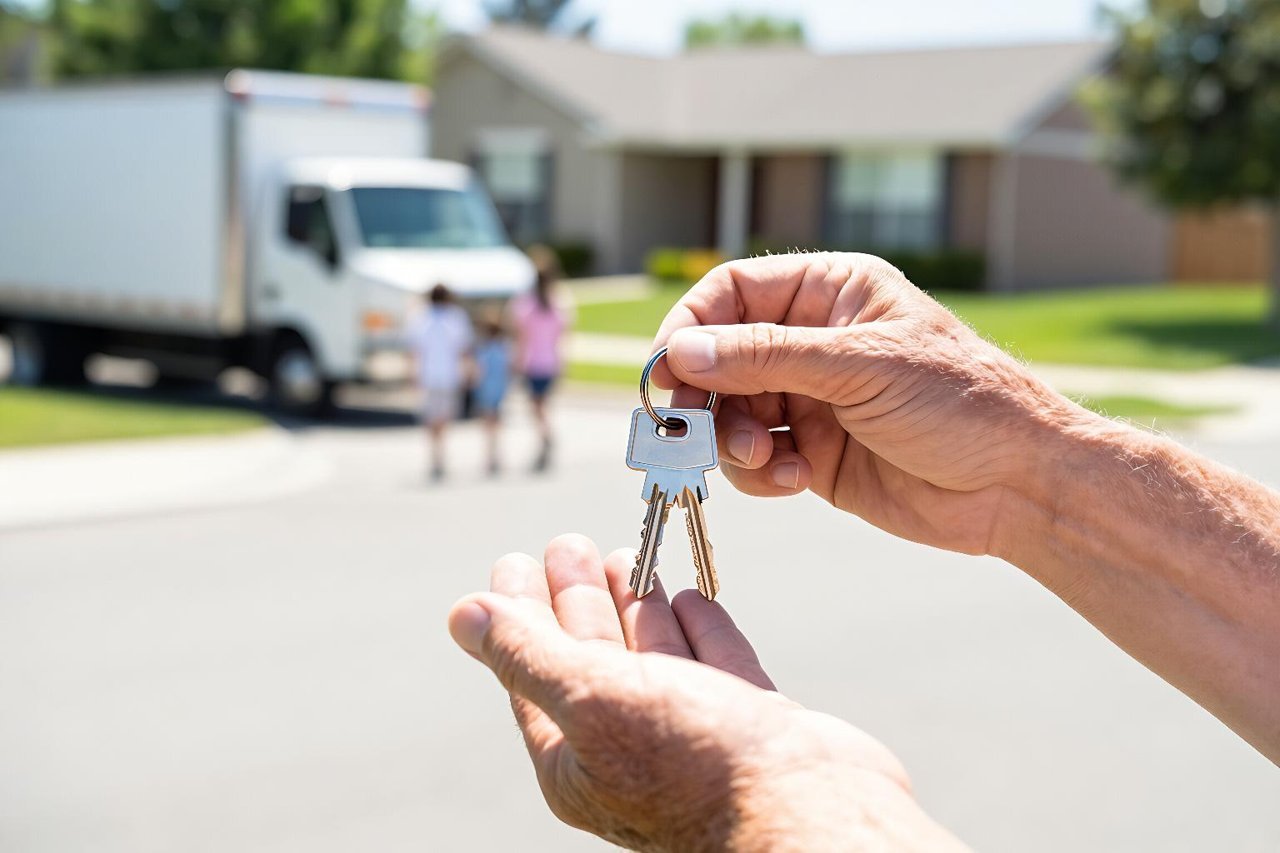
The closing itself is a series of signatures, not a ceremony. Marcus received his Closing Disclosure three days before the closing date, as required by law, and he reviewed it line by line. On the day, he brought a certified check for the closing costs and the down payment. Because of his disability exemption, he didn’t pay the VA funding fee, a charge that would have been about 2.3% of the loan amount for most borrowers. That saved him another $5,000 plus. The whole signing took 45 minutes. About a week later, the keys were in his hand. From first application to closing, the entire process took 38 days.
The secret to a smooth Veterans United experience isn’t luck. It’s preparation. Know your eligibility, assemble your documents, understand your rate lock, and don’t skip the fine print. Buying a home is one of the biggest moves you’ll make in your civilian life, but it doesn’t have to be a battlefield. Go in with a plan, and you’ll come out with the keys.