
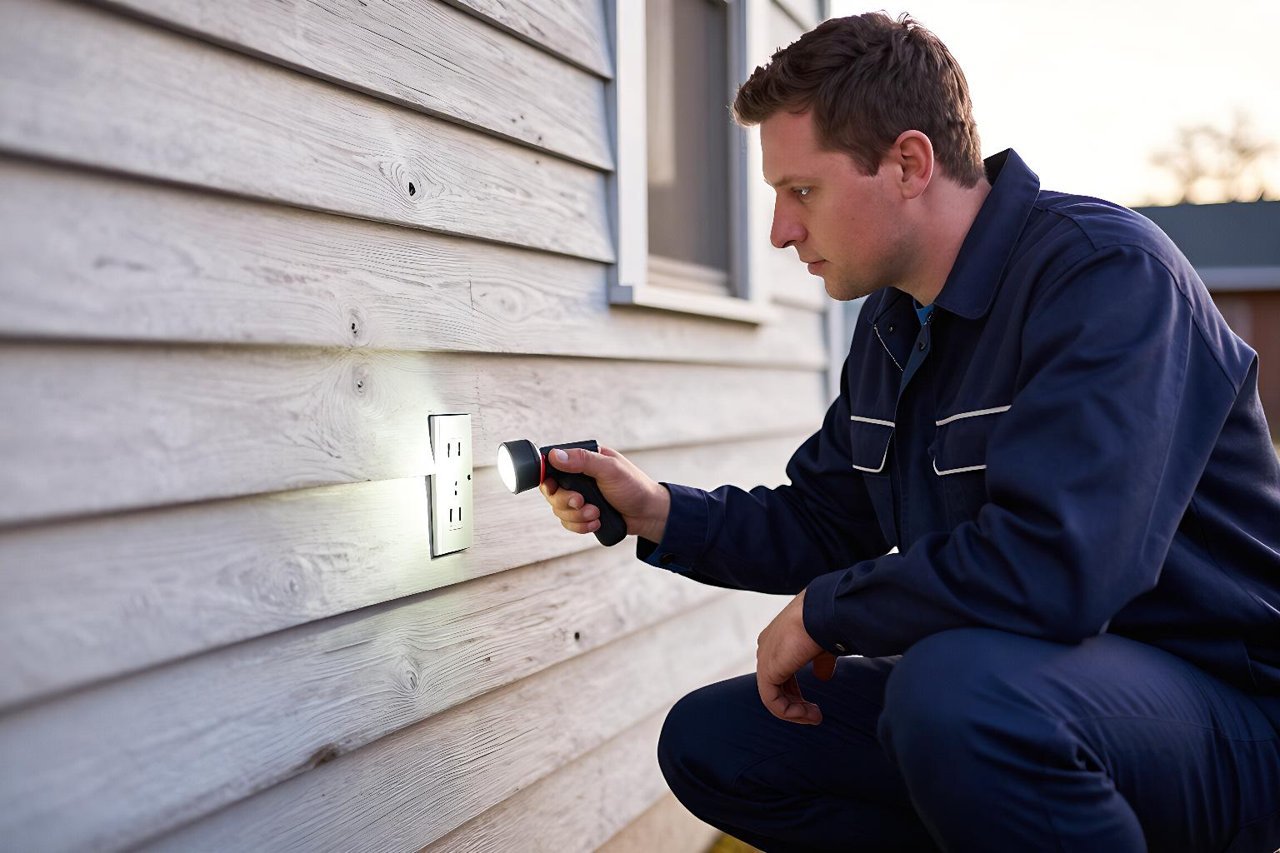
Plenty of buyers hear “FHA loan inspection requirements” and picture a city code inspector walking through with a clipboard, ticking off violations. That isn’t how it works. The FHA itself never sends anyone to your house. What it does require is an appraisal completed by an appraiser who holds FHA approval, and that appraisal includes a property condition review against HUD’s Minimum Property Requirements (MPRs). Same visit, two jobs: establish value, and confirm the house is safe and sound enough for the government to insure the loan.
The distinction matters because it changes who pays for what, and how much leverage you actually have when something turns up broken.
The Appraisal Is Not a Home Inspection — and FHA Doesn’t Require One
You can buy a house with an FHA loan and never order a home inspection. Nobody at HUD will stop you. The appraisal protects the lender’s collateral, not your curiosity about the furnace’s age, and the two reports cover different ground. A licensed home inspector spends two to three hours poking at outlets, testing the water heater, running the dishwasher, and crawling into places an appraiser glances at for thirty seconds.
Skip the inspection and you own every surprise: the cracked heat exchanger, the slow leak behind the tile, the deck that was never bolted to the house. On a $310,000 purchase with 3.5% down, you’re financing roughly $299,000 — a $600 inspection is the cheapest insurance in the entire transaction. Our breakdown of what gets you approved on an FHA loan (and what quietly doesn’t) is worth reading before you start touring homes, because the property side of the approval runs on a different track than your credit file.
What the FHA Appraiser Actually Looks At
The condition review is mostly about health, safety, and durability. An appraiser isn’t grading taste or style — a pink bathroom from 1987 is fine. These are the items that come up most often:
- Roof: must be watertight with roughly two years of remaining life. Curled shingles, exposed underlayment, or a visible patch job will get flagged.
- Peeling paint: on any home built before 1978, chipping or flaking paint on interior and exterior surfaces gets cited, along with bare soil, because of lead dust risk.
- Heating and utilities: a permanently installed heat source that works, plus running water, a functioning water heater, and electricity. Utilities must be switched on the day of the visit.
- Safety hazards: exposed wiring, missing handrails on stairs with three or more risers, loose or missing guardrails, broken steps, and trip hazards on walkways.
- Water and waste: a dwelling must have hot water, a toilet, a sink, and a tub or shower. Private wells and septic systems may need testing depending on the state.
- Foundation and grading: no evidence of structural failure, and soil should slope away from the house rather than pooling against it.
- Attic and crawl space: the appraiser needs to get in and see whether there’s evidence of leaking, rot, or standing water.
- Pest damage: active termite infestation is a hard stop. Some regions require a termite report as a matter of course.
The Three Findings That Kill Deals Most Often
A roof with no life left, peeling lead paint on a pre-1978 house, and a heating system that won’t turn on. Each one is expensive enough to blow up a tight seller’s budget, and each one is non-negotiable on the report. A $9,000 roof on a $180,000 house in a slow market is a conversation. On a competitive listing with four offers, the seller may just move to the next buyer.
Access Problems Are Your Problem, Not the Appraiser’s
If the appraiser can’t get into the crawl space because the hatch is screwed shut or blocked by the seller’s stored furniture, the report comes back with a condition: repair or inspection required. Same thing if the attic scuttle is buried under insulation or the electric panel is behind a bookcase. You’ll pay for a second visit and a delay that can push closing past your rate lock.
The fix is boring and effective. Confirm the seller has cleared the hatch, that all utilities are on (including gas pilot lights), that the water heater and furnace are accessible, and that the appraiser can reach every part of the exterior fence line. Send the appraiser the gate code. Confirm there’s no dog on the property at the appointment time.
Who Pays for Repairs, and Can They Be Escrowed?
Most findings are negotiable. You can ask the seller to fix them before closing, take a price reduction, or split the cost. What you generally can’t do is close with the repairs unfinished and promise to handle them later — except in narrow situations. Some lenders arrange an escrow holdback for weather-related work like exterior paint or a roof when the season makes completion impossible, with FHA approval, the money set aside from the loan, and a deadline for finishing. It’s lender-by-lender, and the list of eligible items is short.
Another option buyers forget: FHA allows certain cosmetic and non-safety items to be waived by the appraiser as “no repair required,” so don’t assume every note means a contractor’s invoice. Ask your loan officer to push back on anything that looks like a judgment call rather than a clear safety issue. Our guide to what the FHA appraiser is really looking for covers the gray areas in more detail.
When the House Fails the Condition Review Outright
Sometimes the list is long enough that fixing it before closing isn’t realistic — a foreclosure with the plumbing stripped out, a 1920s duplex with knob-and-tube wiring throughout. That’s where the FHA 203(k) rehabilitation mortgage earns its keep: it bundles the purchase and the repairs into one loan, with the repair money held in escrow and released to contractors as work is completed. The catch is paperwork, a longer timeline, and the requirement to use approved contractors. It also means you can bid on houses other FHA buyers scroll past.
How Long the Appraisal Stays Valid
An FHA appraisal is good for 120 days from the effective date. Miss that window and the lender needs an update, which can mean another fee and another look at the property. If your deal falls apart, the appraisal is tied to the property, not to you, so a future FHA buyer may be able to use it. Worth knowing when you’re competing in a market where sellers view FHA offers with suspicion.
A Practical Pre-Appraisal Checklist
Run through this a week before the appointment and most condition surprises disappear:
- Turn on every utility and light the pilot on the water heater and furnace.
- Scrape and prime any peeling paint — interior, exterior, garage, and window sills.
- Reattach loose handrails and guardrails; replace missing stair treads.
- Clear the crawl space hatch and attic access; remove stored items blocking the electrical panel.
- Fix dripping faucets, running toilets, and any visible leak under a sink.
- Trim vegetation back from the roof and siding; clear debris from gutters.
- Patch holes in drywall where wiring or plumbing is exposed, and cover open junction boxes.
- Have the well or septic tested early if your state requires it — those appointments book out.
One more number worth keeping in view: unless you qualify for a down payment assistance program, the FHA floor is 3.5% down with a 580 credit score, and closing costs land on top. Our walkthrough of the 3.5% rule and the cash nobody warns you about explains where the extra money goes, so a surprise repair bill doesn’t wreck your reserves the week before closing.